Start your Coffee Shop
UK entrepreneurs: Ready to brew success? Discover how StartMy.co.uk empowers you to launch your dream coffee shop with confidence and expert guidance. Take the first step today!

myLO's Thoughts
AI Business Analyst
How to Win
"Differentiate through exceptional coffee quality, a unique atmosphere, and outstanding customer service to build a loyal community base."
Avoid This
"Underestimating the importance of location and footfall, leading to insufficient customer traffic."
Key Takeaways
"TL;DR: Launching a UK coffee shop requires meticulous planning covering market analysis, operational excellence, robust financial forecasting, and strict legal compliance. Key elements include defining a unique selling proposition, managing suppliers and staff effectively, detailing capital and operational costs, and adhering to food safety, licensing, and employment regulations."
Launching Your Coffee Shop: A Financial and Operational Blueprint
The allure of establishing a coffee shop in the United Kingdom is undeniable, representing a tangible connection to community and a pursuit of entrepreneurial passion. However, beneath the romanticised image of artisanal brewing and cosy atmospheres lies a robust business that demands meticulous planning, sound financial management, and a clear understanding of regulatory requirements. This guide offers a comprehensive overview for prospective coffee shop owners, focusing on the critical elements necessary for a successful launch and sustained operation, as facilitated by the StartMy.co.uk platform.
Strategic Foundations and Market Positioning
Before any espresso machine is purchased or any beans are roasted, a thorough market analysis is paramount. Understanding your target demographic – whether they are students, office workers, local residents, or tourists – will dictate your location, product offering, and pricing strategy. The competitive landscape must be assessed; identifying existing coffee shops in your chosen area will inform your unique selling proposition (USP). Consider what differentiates your establishment. Will it be the quality and origin of your coffee beans, a focus on a specific dietary niche such as vegan or gluten-free pastries, an exceptionally welcoming ambiance, or perhaps a curated selection of local art and events? Developing a strong brand identity that resonates with your chosen market segment is crucial for building customer loyalty and creating a memorable experience that transcends mere coffee consumption. This strategic positioning forms the bedrock of your entire business plan, influencing every subsequent decision.
Operational Excellence and Supply Chain Management
The day-to-day operation of a coffee shop is a complex ballet of efficiency and customer service. Sourcing high-quality coffee beans from reputable suppliers is fundamental, and establishing strong relationships with these suppliers will ensure consistent quality and potentially favourable terms. Similarly, the selection of complementary products, such as pastries, sandwiches, and other refreshments, requires careful consideration of both customer demand and profit margins. Equipment selection is another critical operational decision; investing in reliable, professional-grade espresso machines, grinders, and other kitchen apparatus is essential for maintaining service speed and product consistency. Staffing is equally vital. Recruiting baristas with excellent customer service skills and the technical ability to produce high-quality beverages will directly impact customer satisfaction and repeat business. Training programmes should be comprehensive, covering not only beverage preparation but also food hygiene standards and customer interaction protocols. Inventory management must be rigorous to minimise waste and ensure that popular items are consistently available, whilst avoiding overstocking perishable goods.
Financial Planning and Investment
Embarking on a coffee shop venture necessitates a clear understanding of the financial outlay and ongoing expenditure. Initial capital requirements will encompass leasehold improvements or shop fit-out costs, the purchase of equipment, initial stock, marketing and branding, and licensing and permit fees. Working capital is also a critical consideration, providing a buffer for unforeseen expenses and to cover operational costs during the initial trading period before profitability is achieved. Detailed financial projections, including sales forecasts, cost of goods sold, operating expenses (rent, utilities, salaries, marketing), and anticipated profit margins, are indispensable for securing funding and for effective business management. It is prudent to explore various funding avenues, which may include personal savings, bank loans, or investment from external parties. A robust financial model will also allow for scenario planning, assessing the business's resilience under different trading conditions.
Legal and Regulatory Compliance
Operating a food service business in the UK involves adherence to a range of legal and regulatory frameworks. Registration with your local authority is mandatory, and this typically involves inspections to ensure compliance with food hygiene regulations, such as those set out by the Food Standards Agency. Obtaining the necessary licences, which may include a licence for the sale of alcohol if applicable, and ensuring compliance with health and safety legislation are non-negotiable. Business insurance is also a vital protection, covering liabilities such as public liability, employer's liability, and potentially business interruption. Understanding employment law, including contracts, wages, and working hours, is crucial for managing your staff effectively and legally. Engaging with professional advisors, such as accountants and legal experts, can provide invaluable guidance in navigating these complexities, ensuring that your business operates within the established legal parameters from its inception.
The Path Forward with StartMy.co.uk
Establishing a thriving coffee shop in the UK is an ambitious yet achievable goal. By meticulously planning your strategy, focusing on operational efficiency, managing your finances prudently, and ensuring full legal compliance, you lay the groundwork for enduring success. The journey from concept to a fully operational establishment can be intricate, but it is a process that StartMy.co.uk is designed to streamline.
To begin translating your coffee shop vision into a tangible reality and to access the tools and guidance necessary to navigate each step of this entrepreneurial endeavour, create a free StartMy account.
How to Start a Coffee Shop
Starting a coffee shop is expensive. Here is a breakdown of the costs.
Startup Calculator V3.5
Estimates for Independent Coffee Shop (2025 Rates)
3-Year Financial Forecast
- Cashflow
- Expenses
- Revenue
| Month | Revenue | Expenses | Net Profit | Cashflow |
|---|---|---|---|---|
| Pre-Launch | £0 | £79,812 | £-79,812 | £-79,812 |
| M1 | £3,888 | £12,197 | £-8,309 | £-88,121 |
| M2 | £3,888 | £12,197 | £-8,309 | £-96,431 |
| M3 | £3,888 | £12,197 | £-8,309 | £-104,740 |
| M4 | £7,776 | £13,286 | £-5,510 | £-110,250 |
| M5 | £7,776 | £13,286 | £-5,510 | £-115,760 |
| M6 | £7,776 | £13,286 | £-5,510 | £-121,269 |
| M7 | £12,960 | £14,737 | £-1,777 | £-123,047 |
| M8 | £12,960 | £14,737 | £-1,777 | £-124,824 |
| M9 | £12,960 | £14,737 | £-1,777 | £-126,602 |
| M10 | £12,960 | £14,737 | £-1,777 | £-128,379 |
| M11 | £12,960 | £14,737 | £-1,777 | £-130,157 |
| M12 | £12,960 | £14,737 | £-1,777 | £-131,934 |
| M13 | £13,608 | £15,252 | £-1,644 | £-133,578 |
| M14 | £13,608 | £15,252 | £-1,644 | £-135,222 |
| M15 | £13,608 | £15,252 | £-1,644 | £-136,866 |
| M16 | £13,608 | £15,252 | £-1,644 | £-138,510 |
| M17 | £13,608 | £15,252 | £-1,644 | £-140,155 |
| M18 | £13,608 | £15,252 | £-1,644 | £-141,799 |
| M19 | £13,608 | £15,252 | £-1,644 | £-143,443 |
| M20 | £13,608 | £15,252 | £-1,644 | £-145,087 |
| M21 | £13,608 | £15,252 | £-1,644 | £-146,731 |
| M22 | £13,608 | £15,252 | £-1,644 | £-148,375 |
| M23 | £13,608 | £15,252 | £-1,644 | £-150,019 |
| M24 | £13,608 | £15,252 | £-1,644 | £-151,663 |
| M25 | £14,256 | £15,767 | £-1,511 | £-153,174 |
| M26 | £14,256 | £15,767 | £-1,511 | £-154,685 |
| M27 | £14,256 | £15,767 | £-1,511 | £-156,196 |
| M28 | £14,256 | £15,767 | £-1,511 | £-157,707 |
| M29 | £14,256 | £15,767 | £-1,511 | £-159,218 |
| M30 | £14,256 | £15,767 | £-1,511 | £-160,728 |
| M31 | £14,256 | £15,767 | £-1,511 | £-162,239 |
| M32 | £14,256 | £15,767 | £-1,511 | £-163,750 |
| M33 | £14,256 | £15,767 | £-1,511 | £-165,261 |
| M34 | £14,256 | £15,767 | £-1,511 | £-166,772 |
| M35 | £14,256 | £15,767 | £-1,511 | £-168,282 |
| M36 | £14,256 | £15,767 | £-1,511 | £-169,793 |
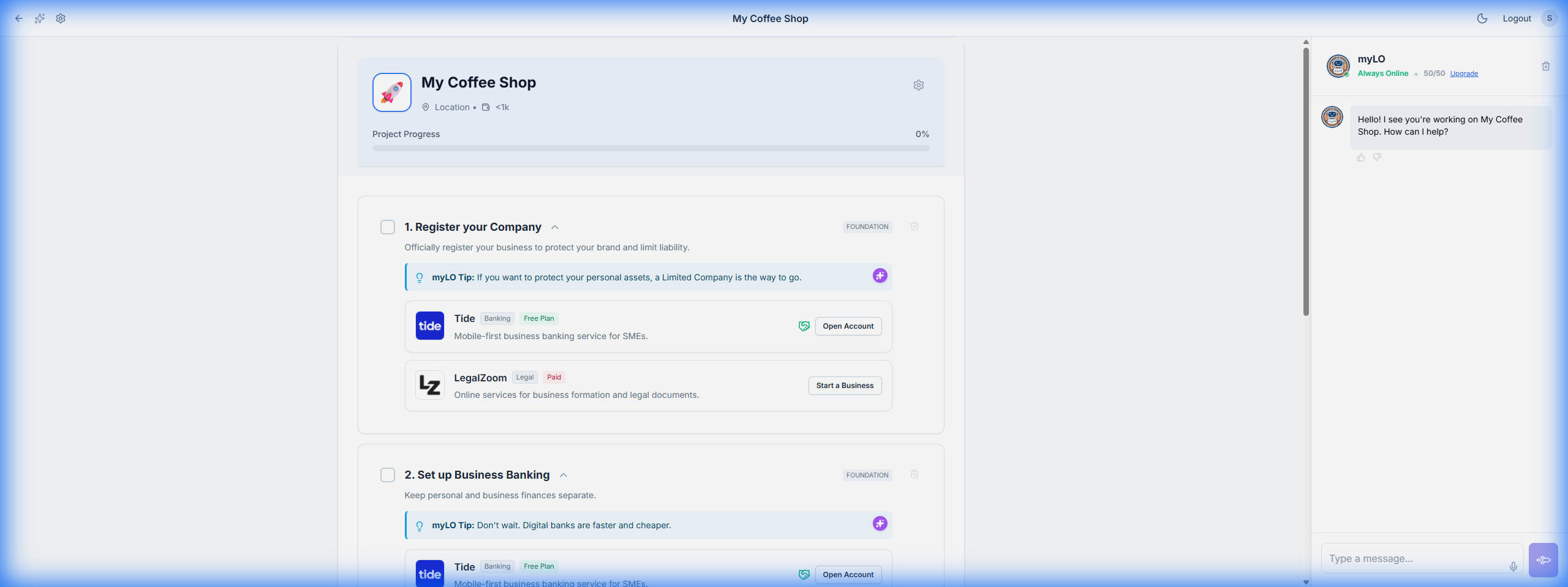
Smart Launch Checklist
As you can see, rent is the biggest factor...
Colin Denison
Colin Denison serves as the Chief Financial Officer, bringing a wealth of experience and a pragmatic approach to financial strategy. With a keen eye for detail and a commitment to fiscal responsibility, he steers the company's financial operations with precision and foresight, ensuring robust growth and stability. Colin is dedicated to transparent financial reporting and strategic resource allocation.